El Paso, Texas Credit Repair
Your Credit File Shouldn't Decide What Comes Next for You
Turned down for a car loan or a mortgage? Paying rates that feel too high? Apartment application come back no? We read your reports line by line, explain what we find in plain English, and talk through what can actually be done about it.
No obligation — you decide whether to go further.
A loan denial, a mortgage that stalls, or an apartment application that comes back rejected can throw years of plans off track. And even when you do get approved, a higher rate than you expected can cost you month after month. When the problem traces back to something wrong on your credit reports — an error, an old account that should have aged off, a balance that doesn't match your records — that information deserves a second look. El Paso Credit Repair helps people in the El Paso area understand what their reports actually say and what they can do about it.
We work with people across El Paso and the surrounding communities — Socorro, Horizon City, San Elizario, Clint, Fabens, Anthony, Canutillo, and the rest of the metro. A credit report review, a closer look at anything that may be inaccurate, an explanation of a collection account or charge-off, and practical guidance on building better credit habits: that is the work, and it all happens by phone or online. No office visit, no paperwork to mail unless a dispute calls for it. Our approach is straightforward — information that is wrong may be disputed; information that is accurate generally stays, and we will tell you that up front.
Most people who call us are aiming at something concrete: a first home in one of the new subdivisions around Horizon City or Socorro, a dependable vehicle for the drive on I-10 or US 54, a lease closer to UTEP or downtown, or a better rate on a loan they already have. Some just want to understand why their score looks the way it does — and in El Paso, that question comes up more than most places: in a LendingTree study of the 100 largest metros, El Paso ranked second for the share of residents behind on at least one debt payment, at 46.3%. Whatever brings you here, the first step is the same: a careful credit report review that goes through what each bureau is reporting, entry by entry. After that, we explain what may be wrong, what is accurate and will remain, and what your options are. You can request a consultation or call and tell us your situation in your own words.
These are actual results from past clients, previously shared on Instagram. Every credit file is different, so treat these as examples of what the process can look like, not as a promise of what yours will do.

Client approved for an HSBC card with a revolving credit line of 3,500 dollars, June 2019.

Client approved for a USAA Rewards American Express card with a credit limit of 15,000 dollars, June 2019.

Equifax score up 80 points to 704, with six MOHELA student loan accounts and other entries removed, April 2020.
Results vary from person to person and depend on what is in each credit file. Nothing here promises a particular score increase or deletion.
A no from the lender almost never comes with a reason — and a rate that costs you more every month rarely comes with one either. What the bureaus have on file is what the lender sees, and the only way to know what that is is to look for yourself. One dollar shows you all three scores — Equifax, Experian, TransUnion — plus the entries behind them, before the next application goes in. Nobody to hire and nothing to commit to — just your own file, in front of you, so the next answer isn't another surprise.
The trial runs through MyScoreIQ: $1 for your first 7 days, then $34.99 a month if you stay. Cancel anytime.
Three steps, explained plainly. No jargon, no rush, no obligation at any point.
We pull your three bureau reports together and walk through them with you in plain language — what's helping your profile, what's hurting it, and what doesn't look right. You see everything we see, and we answer your questions before anything moves forward. Learn about the review →
For entries that look wrong, incomplete, or unsupported, we put together a dispute aimed at the specific problem — the wrong balance, the wrong date, a duplicate entry, an account that isn't yours. Each dispute names the error and explains the facts behind it. Learn about error correction →
While disputes are in progress, we help you build habits that protect your progress: paying on time, keeping balances manageable, and understanding how your credit works. The aim is a file you understand well enough to look after yourself. Learn about credit building →
All of it happens by phone and online, whether you live in central El Paso or one of the surrounding towns. No office to visit, no paperwork to mail unless a dispute calls for it — and if it does, we walk you through exactly what is needed. Request a consultation to start with step one.
Your first call starts with your situation: what you're working toward and what has already happened — a denial, a rate quote, a collection notice, or a score that doesn't add up. Then we explain what reviewing your reports would cover. The first look shows you the picture, and going further is your call. Nothing gets filed, disputed, or changed without your say-so, and you can stop at any point. Either way, the conversation is useful on its own — most people leave it understanding their reports better, even if they decide not to proceed.
El Paso Credit Repair started from a simple idea: people deserve to understand their own credit. El Paso is a city of arrivals — military families reporting to Fort Bliss, students starting at UTEP, people moving here for jobs in cross-border trade, logistics, and warehousing, families settling into the East Side suburbs — and each arrival brings credit decisions: a lease, a car loan, a mortgage, a first apartment. Credit reporting gets confusing fast when a denial lands, a mortgage stalls, or a collection account shows up out of nowhere. We give people clear explanations instead of big promises.
Our work brings together credit report review, customer support, and financial education. We help customers read their reports, spot information that may be inaccurate, and make decisions with the facts in front of them. We serve El Paso and the towns around it — from Anthony and Canutillo in the Upper Valley to Tornillo and Fabens in the lower valley — by phone and online.
Credit repair has no shortcuts, and anyone who promises one is selling something. A dispute gets results when it points at a specific error — a balance that doesn't match, a date that conflicts with your records, an account that isn't yours — and backs it up with facts. So we start with education: what your reports contain, what each entry means, and where the line sits between what can be challenged and what can't. If you want to know who you'd be talking to, you can meet the team, and if you want answers first, the questions people ask us most are all answered there.
More about usFive services, each built for a different credit situation — whether you're getting ready for a vehicle or a mortgage, sorting out collections, or building credit from the ground up.
See what the three bureaus are reporting about you, and find the entries that need a closer look.
Learn more →Challenge information that is wrong with disputes that name the exact error and the facts behind it.
Learn more →Make sense of collection accounts and charge-offs — what they are, what they mean, and what may be disputed.
Learn more →Get your credit in order before you apply for a mortgage or a car loan, so there are no surprises.
Learn more →Build habits that strengthen your credit over time — payments, balances, and a file you understand.
Learn more →Not sure where to start? A credit report review usually comes first — it shows what's on your reports before any decisions get made. If something looks wrong, error correction takes on entries that appear inaccurate. Collections and charge-offs get their own careful look, because the details matter before you answer a collector. Mortgage and auto readiness prepares you for a specific application, and credit building runs alongside the rest — the habits you form while fixing your reports are what protect your progress later.
Our home base is El Paso, Texas, and we work by phone and online with customers in Socorro, Horizon City, San Elizario, Clint, Fabens, Anthony, Canutillo, Vinton, Westway, Tornillo, Agua Dulce, Sparks, Homestead Meadows North, Homestead Meadows South, Montana Vista, Newman, Prado Verde, Morning Glory, Butterfield, Loma Terrace, Sunland Park, and Fort Bliss.
Wherever you live in the Greater El Paso region — the city itself, a Mission Valley town like Socorro or San Elizario, the Upper Valley near Canutillo and Vinton, or a growing suburb like Horizon City — you can reach us by phone or online. Every community has people with different goals, from a first apartment to a first home purchase.
Each page below explains how the work applies to people in that community.
Straight answers about what can be challenged and what can't. If an entry is accurate, we tell you so — and talk through what you can still do about the rest of your profile. No inflated promises, no vague assurances.
Your goal sets the conversation. A car loan, a mortgage, an apartment, a better rate — each one starts with the obstacle in front of you, not a script. A first-time buyer in Horizon City and a renter near UTEP get different conversations because they have different situations.
You talk to a real person who knows your file. Questions are welcome, jargon is not — we explain things in everyday language, by phone or online, when it suits you.
No office to visit, ever. Phone and online cover the whole Greater El Paso region, from Anthony to Tornillo and Canutillo to Fabens.
A dispute fixes an entry; understanding fixes the future. Alongside any correction work, we explain payment history, utilization, and the habits that keep your credit in good shape once the work is done.
A vehicle denial hits hard when reliable transportation matters for work, family, and daily life. Sometimes the reason is income, existing debt, the amount being financed, or the lender's own rules. Credit history is another factor lenders may weigh.
If your reports show a late payment that was actually on time, a collection account that isn't yours, a balance that doesn't match your records, or information that should have aged off, a review can help you see it clearly. A credit report review shows what is being reported and whether a factual concern may be worth disputing.
We also walk through how recent applications, outstanding balances, and payment patterns shape your overall profile, so the next financing decision starts from better information. No one can promise a lender will approve an application, change a rate, or make a particular decision — and we won't pretend otherwise.
Lenders usually explain a denial. The notice they send lists the main reasons for the decision, and those reasons often lead straight back to the credit report. A credit report review puts what the lender saw next to what Equifax, Experian, and TransUnion are reporting, so you can tell whether you're dealing with an error, an account that should have aged off, or an accurate entry that needs a different approach. When a dependable vehicle matters for the drive on I-10, up US 54, around Loop 375, or out to Fort Bliss and the East Side warehouses, that clarity is worth having before you apply again.
Applying again right away usually makes things worse: another inquiry on your file, and possibly another denial. Most people are better off reviewing their reports first, sorting out anything that looks inaccurate, and then applying with a clear picture. Our mortgage and auto readiness service covers that preparation step by step, so the next application is built on information rather than hope.
A mortgage is one of the biggest financial commitments most people make. A lower-than-expected profile, a collection account, late payments, or a balance that doesn't look right can all raise questions during the lending process. Lenders weigh credit-related factors together with income, debts, available funds, and the requirements of the loan program.
El Paso Credit Repair helps prospective buyers understand what their reports contain before they get deeper into the mortgage process. We review reported accounts, explain information that may be inaccurate, and talk through responsible ways to handle outstanding obligations.
Accurate negative information is not automatically removable. A late payment or collection that is correctly reported generally stays, subject to the reporting rules. Knowing that distinction helps you plan realistically while preparing for a purchase.
Lenders look at more than one number: payment history, balances, account age, anything that raises a question — plus income, debts, savings, and the loan program itself. Starting months before you apply leaves room to challenge anything inaccurate through the normal dispute process, instead of discovering a problem days before closing on a home in Horizon City, Socorro, or the East Side. That preparation is what our mortgage and auto readiness service is built around.
Mortgage preparation turns up the same surprises again and again: a collection account that resurfaced after years, one debt reported twice under two names, a balance that doesn't match what you owe, an account belonging to someone with a similar name. Each one is worth a closer look through error correction, because a factual dispute starts by naming exactly what is wrong — never with a generic letter.
Getting approved doesn't always mean getting the rate you hoped for. Lenders apply their own underwriting standards, and your credit history may be one part of that decision. Outstanding balances, recent late payments, collection accounts, and other reported information can all shape how an application is evaluated.
Our credit review helps you see the information that may be influencing your profile. We point out entries that look inaccurate, explain how credit utilization works, and walk through how payment history and new applications fit into the bigger picture.
No single change guarantees a lower rate. Different lenders use different criteria, and market conditions affect borrowing costs too. Better information and responsible habits help you prepare more thoughtfully for the next application.
Two factors come up first in almost every rate conversation: payment history and how much of your available credit you're using. A late payment can weigh on a profile for years even after it's old, and high balances relative to your limits can signal risk even when every payment is on time. Our credit building guidance covers both — how on-time payments and manageable balances fit together, and what to watch as you work toward a stronger profile.
Checking all three bureaus matters. The same account can be reported differently by Equifax, Experian, and TransUnion — different balances, different dates, sometimes an account that shows up on one report and not the others. A credit report review looks across all three, so nothing gets missed because it only appeared in one place.
A collection account or charge-off on your report can be stressful, especially when you don't know where the account came from or whether the amount is right. Before deciding what to do, it helps to understand the account details, the reporting history, who owns it now, and its current status.
Some collection entries carry wrong balances, wrong dates, duplicate reporting, or information that belongs to the wrong consumer. Those problems may be worth a dispute with the bureau or the furnisher. Accurate information generally stays on the report even when it works against you financially.
We help customers tell the difference between collection accounts, charge-offs, and late payments, and we talk through practical habits that prevent future reporting problems — reviewing statements, tracking due dates, and reaching out to creditors when money gets tight.
Before you respond to a collector, get the full picture: who the original creditor was, the amount, the dates, and whether the account is really yours. Balances, dates, and even the consumer can be reported wrong, and a debt that changed hands can appear more than once. Our collections and charge-offs service goes through each entry with you first, so you know what you're dealing with before you decide anything.
People often see both a charge-off and a collection for the same debt, and they aren't the same entry. A charge-off is the original creditor writing the account off its books; a collection is a separate company trying to collect it. Either one can carry errors, and when the reported facts are wrong, error correction can challenge them.
Credit repair isn't only about reviewing negative information. Understanding how credit works helps you make decisions that support your long-term goals. Payment history, credit utilization, account age, credit mix, and new credit activity are among the factors that may shape credit scoring models.
Responsible habits can include paying on time, keeping revolving balances manageable, reviewing statements for errors, and avoiding applications you don't need. Those practices don't guarantee a particular score or lending outcome, but they support a more thoughtful approach to managing credit.
We believe you should leave a consultation understanding your credit better than when you arrived. That means explaining your reports, naming the common reporting problems to watch for, and helping you choose your next steps with the facts in front of you.
Lenders' scoring models weigh a handful of factors: payment history, amounts owed, account age, recent credit activity, and the mix of account types. Payment history carries the most weight, which is why a single missed payment can matter more than people expect — and why a steady run of on-time payments anchors any long-term plan. Our credit building service walks through each factor in plain language.
Building credit takes time, and no honest service can offer instant results. The habits that matter are simple but take discipline: pay on time, keep revolving balances manageable, review your statements, and skip accounts you don't need. A credit report review shows where you stand today, so the habits you build target the right things.
About 679,000 people live in El Paso, the sixth-largest city in Texas, at the state's far western tip where Texas meets New Mexico and Mexico. With 300-plus days of sunshine a year, it's known as the Sun City, and the Franklin Mountains run through its middle, splitting the West Side, Downtown, the Northeast, and the East Side. The Mission Trail follows Socorro Road about nine miles through the Mission Valley, past Ysleta Mission — founded in 1682, the oldest continuously operated parish in Texas — and Socorro Mission, established in 1691, the second-oldest mission in the state. The Presidio Chapel of San Elizario went up in 1877 on the site of the old Spanish presidio. The Chamizal Convention of 1963 ended a border dispute that had lasted nearly a century, and the Sun Bowl, first played in 1935, is the country's second-oldest college bowl game.
More than one industry drives the region. Fort Bliss dates to 1848, spans about 1.12 million acres across Texas and New Mexico, and houses the 1st Armored Division — the military is one of the area's biggest employers. The University of Texas at El Paso began in 1913 as the State School of Mines and Metallurgy, now enrolls more than 25,000 students, and is the largest Mexican-American-majority research university in the United States. Franklin Mountains State Park, opened in 1987, covers 26,627 acres inside the city limits, making it the largest urban park in the nation. Ciudad Juárez, across the river, pushes the binational metro past two million people, and cross-border trade, logistics, and warehousing employ thousands on the Texas side. Military families, students, trade and logistics workers, medical staff, and small business owners all live in the same city — and credit problems turn up in every one of those worlds.
That is why the work covers the whole region rather than one part of town. Kern Place, Sunset Heights, Mesa Hills, the Upper Valley, Cielo Vista, Montwood, Pebble Hills, Vista Hills — or a surrounding community like Socorro, Horizon City, San Elizario, or Canutillo — the help is the same by phone or online. With no office to visit, your neighborhood never limits what you can get. The full list is on our service areas page.
The goals sound familiar across the region: a first home in the suburbs, a dependable vehicle for work, an apartment near the university or downtown, a better rate than the one you have now. Every one of those goals runs through your credit reports, and each one is easier when you know what's on them before you apply. Our mortgage and auto readiness service exists for exactly that preparation, and a credit report review is where it begins. The local workforce shapes the credit stories we hear — military moves, shift schedules, seasonal work, job changes — and those events leave marks on a credit file, some of which turn out to be errors worth a second look. Wherever you work in the Greater El Paso area, a credit report review starts with your file, not a template.

These are actual results from past clients, previously shared on Instagram. Every credit file is different, so treat these as examples of what the process can look like, not as a promise of what yours will do.

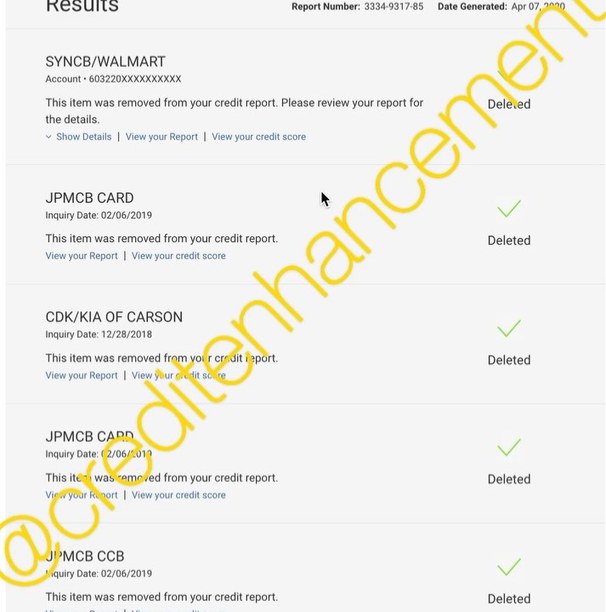
Five items — a store card account and four hard inquiries — were deleted from a client's Experian report in April 2020.

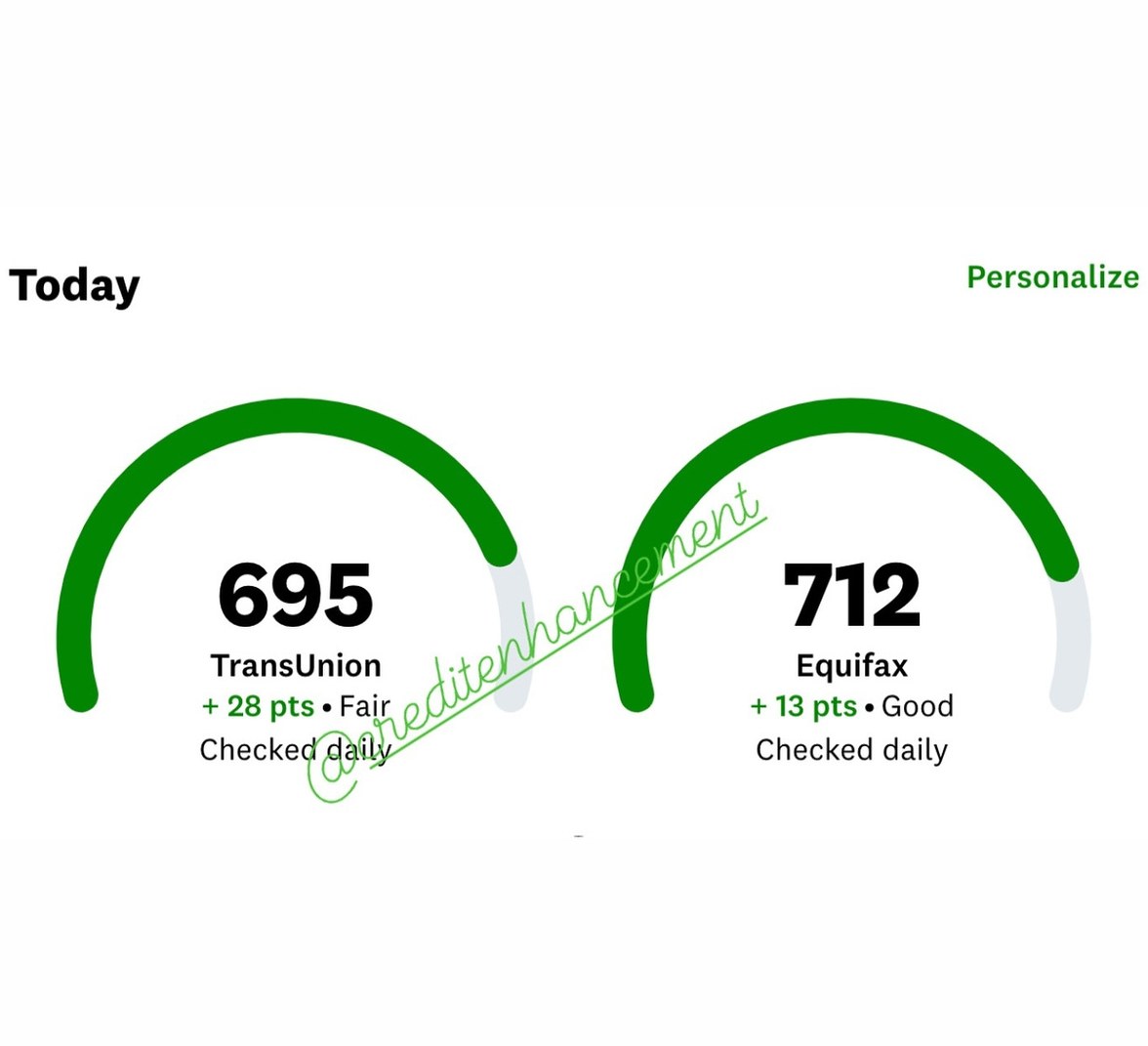
A client's WalletHub score rose 28 points, from 667 to 695, between February 3 and February 4, 2024.

A client's scores in February 2024: TransUnion 695, up 28 points, and Equifax 712, up 13 points.

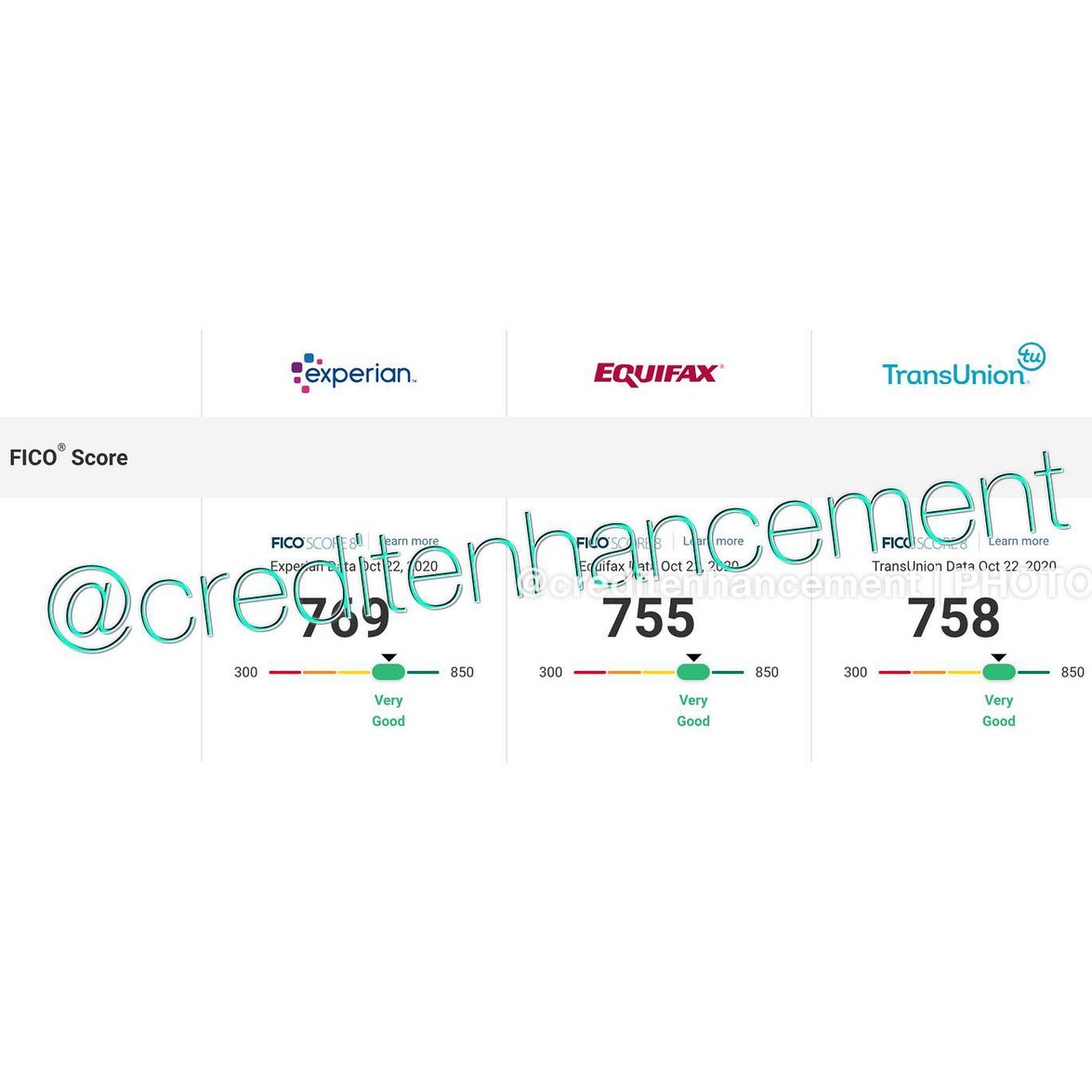
A client's FICO scores in October 2020: Experian 769, Equifax 755, and TransUnion 758.

A client was approved for a Bank of America Business Advantage Credit Card in May 2020.

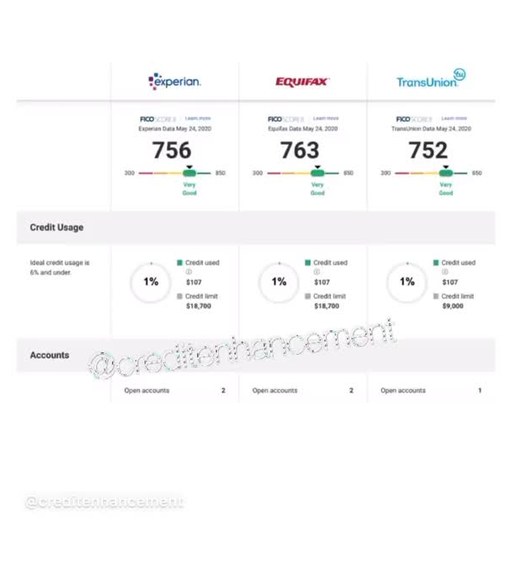
A client's FICO scores in May 2020: Experian 756, Equifax 763, and TransUnion 752.
These are real results from past clients. Results vary from person to person and depend on what is in each credit file. Nothing here promises a particular score increase or deletion, and accurate negative information generally cannot be removed. Client names and account numbers have been removed from these images.
A review can show whether inaccurate information played a part in the denial — a wrong balance, a late payment that was actually on time, or an account that is not yours. Lenders also weigh income, debts, the loan amount, and their own underwriting rules, so reviewing your reports cannot promise a different decision next time. Our mortgage and auto readiness service walks through that preparation with you.
Reviewing your reports before you apply again can surface errors and outstanding obligations you may not know about. Mortgage decisions also depend on income, debts, savings, the loan program, and the lender's own criteria — credit is only one piece of it. Our mortgage and auto readiness service covers this preparation in detail.
Lenders set rates using their own criteria, and your credit history is often part of the picture — along with outstanding balances, payment patterns, loan terms, and the market. A review can show whether any of the information being used looks inaccurate. A credit report review is the usual first step.
If a collection entry is inaccurate — wrong amount, wrong dates, wrong consumer, or reported twice — it can be disputed with the bureau or the furnisher. Accurate collection information generally stays on the report, even when it is unfavorable. Our collections and charge-offs service explains each entry before you decide what to do.
A late payment that was reported in error — the wrong date, the wrong account, or a payment that was actually on time — may be disputed. A late payment that was genuinely late and correctly reported generally cannot be removed through a dispute. Our error correction service handles disputes of this kind.
Hard inquiries from loan applications can affect your score; soft inquiries, like checking your own reports, generally do not. Several mortgage inquiries in a short window are sometimes grouped together by scoring models. A credit report review shows every inquiry on your reports.
A repossession can appear on your credit report and may influence how lenders view later applications. If the details are reported inaccurately — the dates, the balance, or the account itself — the entry may be disputed. Our collections and charge-offs service can help you understand what is being reported.
Student loan payment history, balances, and account status can all appear on your credit reports. If any of that information is reported incorrectly, it can be challenged with a factual dispute. If the information looks wrong, error correction may be the next step.
Bankruptcy can remain on a credit report for a period set by the reporting rules. We can walk through what is listed, explain what it means, and talk about habits that support your credit afterward. Our credit building service covers habits for the years after a bankruptcy.
Judgment information can appear on a credit report depending on the reporting rules and the public records available. If a judgment entry is inaccurate, it may be disputed like any other error. Our error correction service handles factual disputes of this kind.
Consumers can dispute information that looks inaccurate, incomplete, or unsupported with the bureau that reported it or the company that furnished it. A dispute should name the specific entry and explain what is wrong with it. Our error correction service prepares specific, factual disputes.
Building credit history usually means having accounts that report to the bureaus. We can talk through the account types, payment history, and habits that contribute to a credit file over time. Our credit building service explains how each factor fits together.
It starts with knowing what's on your reports. Call (915) 205-6080 or request a consultation online.